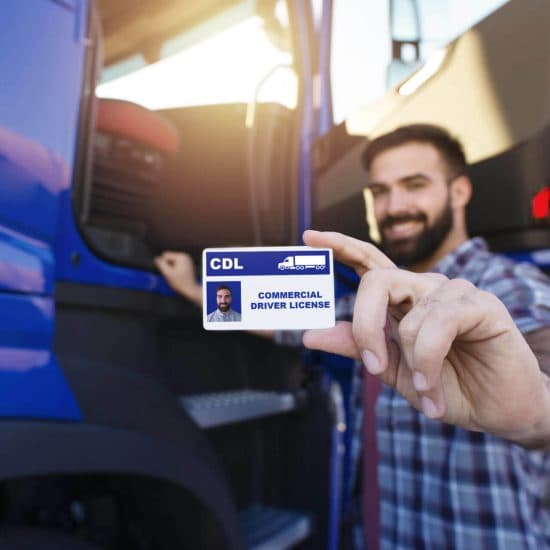
CDL physical, DOT medical exam, DOT medical card renewal, truck driver physical
What to Expect During a DOT Physical Examination: A Complete Guide for Truck Drivers
Preparing for Your DOT Physical? Here's Everything Commercial Drivers Need to Know Before Their Examination.
If you are a commercial truck driver or planning to obtain your Commercial Driver's License (CDL), completing a Department of Transportation (DOT) physical examination is an important part of maintaining your medical qualification.
A DOT physical helps determine whether your physical and mental health meet the medical standards required to safely operate a commercial motor vehicle.
Whether you are scheduling your first DOT physical or renewing your medical certificate, knowing what to expect can make the process easier and less stressful.
At iMed Urgent Care & Occupational Health Services, we provide convenient occupational health services, including DOT physical examinations, to help drivers take care of their employment-related healthcare needs.
1. What Is a DOT Physical Examination?
A DOT physical is a medical examination required for many commercial motor vehicle drivers under Federal Motor Carrier Safety Administration (FMCSA) regulations.
The examination evaluates different aspects of your health, including:
- Vision and hearing
- Blood pressure and heart rate
- Overall physical condition
- Medical history
- Medication use
- Neurological and musculoskeletal health
The purpose is to identify medical conditions that could affect your ability to operate a commercial vehicle safely.
DOT examinations must be performed by a medical examiner listed on the FMCSA National Registry of Certified Medical Examiners.
2. What Happens During a DOT Physical?
A typical DOT physical examination includes several steps.
Step 1: Medical History Review
Your medical examiner will review your medical history and ask questions about your current and previous health conditions.
You may be asked about:
- Previous surgeries or hospitalizations
- Heart conditions or high blood pressure
- Diabetes
- Sleep apnea
- Neurological conditions
- Vision or hearing problems
- Current prescription and over-the-counter medications
Be honest and provide complete information about your health. Bringing relevant medical records can help the examiner evaluate your condition.
Step 2: Blood Pressure and Pulse Check
Your blood pressure and pulse will be measured to evaluate your cardiovascular health.
The examiner may consider your readings, medical history, and any treatment you receive when determining your medical qualification.
If your blood pressure is elevated, additional evaluation or documentation may be necessary.
Step 3: Vision Test
Good vision is essential for safe commercial driving.
The examination evaluates your ability to see clearly and recognize important visual information.
Vision testing generally includes:
- Distance vision
- Vision in each eye
- Peripheral vision
- Ability to distinguish traffic signal colors
Drivers who use prescription glasses or contact lenses should bring them to the examination.
Step 4: Hearing Test
Your hearing is also evaluated because commercial drivers need to recognize important sounds while operating a vehicle.
The examiner may use a forced-whisper test or an audiometric test to assess your hearing.
If you use hearing aids, bring them to your examination.
Step 5: Urinalysis
A urine sample is generally collected as part of the DOT physical.
This screening helps identify potential indicators of certain medical conditions, including abnormalities involving glucose, protein, blood, or specific gravity.
Important: The urinalysis performed during a DOT physical is not the same as a DOT drug and alcohol test. Drug testing is a separate process governed by applicable workplace and federal requirements.
Step 6: General Physical Examination
The medical examiner will perform a physical examination to evaluate your overall health and identify any conditions that could interfere with safe driving.
This may include checking your:
- Heart and lungs
- Abdomen
- Spine and posture
- Arms and legs
- Joints and mobility
- Neurological function
- General physical condition
Additional medical information or testing may be requested when necessary.
3. What Should You Bring to Your DOT Physical?
Preparing your documents before visiting the clinic can help make your examination smoother.
Use this checklist:
- Valid driver's license or government-issued photo ID
- Current medical certificate, if applicable
- Prescription glasses or contact lenses
- Hearing aids, if used
- List of current medications and dosages
- Relevant medical records
- Recent test results or specialist reports, if applicable
- CPAP compliance documentation, if applicable for sleep apnea
Drivers with certain medical conditions may need additional documentation from their treating healthcare providers.
4. How Long Is a DOT Medical Certificate Valid?
A DOT medical certificate may be issued for up to 24 months if the driver meets the applicable medical qualification standards and does not require more frequent monitoring.
However, the medical examiner may issue a certificate for a shorter period depending on the driver's medical condition and monitoring requirements.
For example, certain conditions may require more frequent medical evaluations.
Always check your certificate's expiration date and plan your renewal in advance.
5. What Happens If You Do Not Pass Your DOT Physical?
Not every examination results in immediate medical certification.
Sometimes, the medical examiner may need additional medical records, specialist evaluations, or test results before making a final determination.
An elevated blood pressure reading, incomplete medical documentation, or an underlying health condition may require further evaluation.
This does not automatically mean you are permanently disqualified from commercial driving.
Your medical examiner will explain any additional requirements and the appropriate next steps.
6. Why Choose iMed Urgent Care for Your DOT Physical?
Finding a convenient healthcare provider is important for busy commercial drivers.
iMed Urgent Care & Occupational Health Services offers occupational health services designed to support individuals and working professionals.
Our services include:
- DOT physical examinations
- Employment physicals
- Sports and school physicals
- Workplace injury evaluations
- Drug and alcohol testing
- Other occupational health services
Convenient Healthcare for Central Ohio
- Walk-ins welcome
- Open 7 days a week
- Three convenient Ohio locations
- Most insurance accepted
- Average visit around 30 minutes
7. Visit an iMed Urgent Care Location in Central Ohio
We proudly serve drivers and individuals throughout the Central Ohio community.
South Columbus
3865 S High St, Columbus, OH 43207
Phone: (614) 295-4302
East Columbus
3331 E Broad St, Columbus, OH 43213
Phone: (614) 456-7296
Grove City
3206 Broadway, Grove City, OH 43123
Phone: (614) 594-2900
Hours of Operation
Monday–Friday: 9:00 AM – 7:00 PM
Saturday–Sunday: 10:00 AM – 5:00 PM
Call or text us at (614) 318-2687 for information about DOT physical availability.
Stay Healthy. Stay Certified. Stay Safe on the Road.
Choose iMed Urgent Care & Occupational Health Services for convenient occupational healthcare in Central Ohio.
Website: https://imedurgentcare.com
Medical Disclaimer: This article is intended for general educational purposes and does not replace professional medical advice. DOT medical certification decisions are made by qualified medical examiners according to applicable FMCSA requirements.